
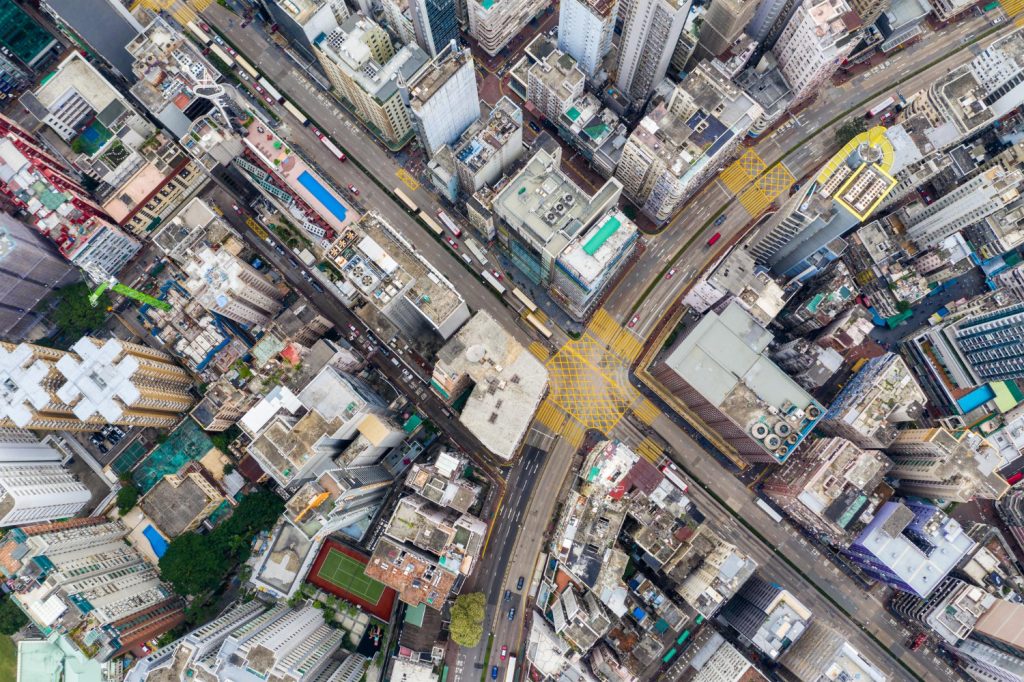
In the midst of towering skyscrapers and bustling streets, cities around the world are increasingly embracing the concept of “greening the concrete jungle.” This transformative approach seeks to integrate nature into urban landscapes, fostering sustainability, resilience, and well-being for both people and the environment.
The traditional image of urban areas as grey, lifeless expanses of concrete is evolving as cities recognize the myriad benefits of incorporating green spaces, vegetation, and eco-friendly practices into their infrastructure and design. From rooftop gardens to vertical forests, urban parks to green roofs, initiatives aimed at enhancing urban greenery are flourishing, catalyzing a shift towards more sustainable and livable cities.
The Importance of Urban Greening
Urban greening serves as a vital antidote to the environmental and social challenges inherent in dense urban environments. By mitigating the urban heat island effect, improving air quality, reducing noise pollution, and promoting biodiversity, green spaces contribute to the health and well-being of city dwellers while enhancing the overall ecological balance.
Mitigating the Urban Heat Island Effect
One of the primary benefits of urban greening is its role in mitigating the urban heat island effect. As concrete and asphalt absorb and retain heat, cities become significantly warmer than surrounding rural areas, exacerbating energy consumption, air pollution, and heat-related health risks. By introducing vegetation, trees, and green infrastructure, cities can reduce surface temperatures, enhance cooling effects, and create more comfortable microclimates for residents and visitors alike.
Improving Air Quality and Reducing Pollution
Urban greenery acts as a natural air filter, absorbing pollutants, particulate matter, and carbon dioxide while releasing oxygen into the atmosphere. By mitigating air pollution and enhancing air quality, green spaces contribute to respiratory health, reduce the incidence of respiratory illnesses, and promote overall well-being among urban populations.
Promoting Biodiversity and Ecosystem Services
Green spaces serve as vital habitats for diverse plant and animal species, fostering biodiversity and ecological resilience within urban environments. In addition to supporting wildlife populations, urban greenery provides essential ecosystem services such as pollination, soil retention, and water filtration, contributing to the long-term sustainability and vitality of urban ecosystems.
Strategies for Urban Greening
From innovative architectural designs to community-led greening initiatives, a variety of strategies are being employed to integrate nature into the urban fabric:
Rooftop Gardens and Green Roofs
Rooftop gardens and green roofs transform barren rooftops into vibrant ecosystems, providing space for urban agriculture, recreation, and biodiversity conservation. These green installations help reduce energy consumption, manage stormwater runoff, and enhance the aesthetic appeal of buildings while fostering community engagement and social interaction.
Vertical Gardens and Living Walls
Vertical gardens and living walls serve as vertical canvases for greenery, covering building facades with cascading foliage and vibrant plant life. These vertical installations not only improve air quality and thermal insulation but also serve as living works of art, transforming urban landscapes into living, breathing habitats that inspire awe and appreciation for nature.
Urban Parks and Green Spaces
Urban parks and green spaces serve as invaluable sanctuaries amid the hustle and bustle of city life, offering opportunities for recreation, relaxation, and connection with nature. From sprawling city parks to pocket parks and green corridors, these green oases provide respite from the urban jungle, promoting physical and mental well-being while fostering a sense of community and belonging.
Conclusion
In the face of rapid urbanization and environmental degradation, greening the concrete jungle represents a visionary approach to urban development that prioritizes sustainability, resilience, and quality of life. By integrating nature into the fabric of cities, we can create healthier, more vibrant urban environments that benefit both present and future generations.
As cities continue to evolve and grow, the imperative to prioritize green infrastructure and sustainable design practices becomes ever more pressing. Through collaborative efforts, innovative solutions, and a shared commitment to urban greening, we can transform our cities into thriving, resilient ecosystems where nature and humanity coexist in harmony, paving the way for a more sustainable and equitable future.